Radiation Protection Services
Management of NDK Licence and Permit Processes
Management of licence and permit applications and their follow-up before the Nuclear Regulatory Authority (NDK).
Management of NDK Licence and Permit Processes is a regulatory compliance service covering the end-to-end management of the permit and licence procedures conducted before the Nuclear Regulatory Authority (NDK) for the lawful possession, use, transport and transfer of ionising radiation sources (gamma projectors used in industrial radiography, X-ray equipment and sealed radioactive sources). In Türkiye, working with a radiation source is subject to a valid licence obtained in advance under Nuclear Regulation Law No. 7381 and its subordinate legislation; holding an unlicensed source gives rise to administrative and criminal sanctions. The process is therefore not merely a paperwork exercise but a fundamental compliance activity that establishes the legal and technical infrastructure of radiation protection.
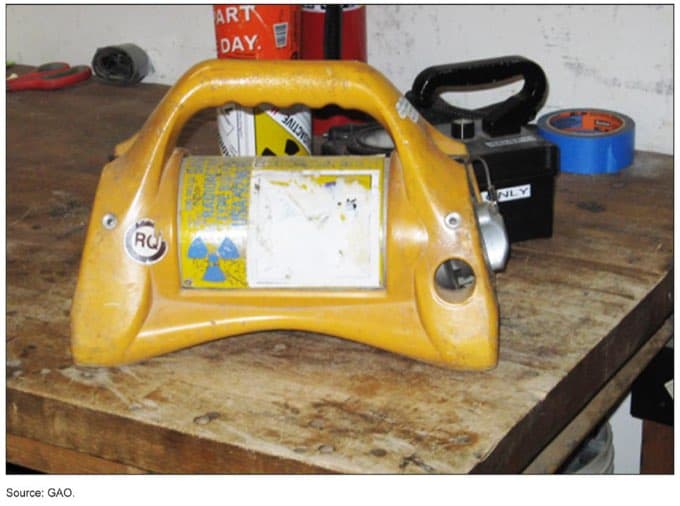
The technical principle of the process rests on the regulator's "graded approach": the greater the type and activity of the source (for example, expressed in Bq/Ci for Ir-192, Se-75 or Co-60), the purpose of use and the exposure risk, the more stringent the safety requirements imposed. Industrial radiography is assessed within the class of high-risk practices because of its portable gamma sources and high dose rates. The application file is built from mutually complementary elements such as the source inventory, equipment technical documentation, appointment of the radiation safety officer (RSO), personnel qualification certificates, the personal dosimetry service, the radiation safety manual and the emergency plan.
In practice the process begins with an assessment of the current situation: the company's source inventory, the serial numbers and certificates of its equipment, the job descriptions of its personnel and their existing authorisation status are reviewed. The file is then prepared through NDK's electronic application system; missing or inconsistent documents (for example an expired source certificate, an unappointed RSO or an invalid dosimetry contract) are rectified before submission. Depending on the type of licence, possession-and-use licences, source import/export permits, source transfer transactions and off-site work notifications are managed separately. Responding promptly and in a technically consistent manner to requests for further information (RFI) received during the Authority's technical assessment is decisive in completing the process without delay.
The application-specific depth of the service lies in establishing and maintaining the radiation safety management system. Keeping personal dose monitoring records, tracking worker dose limits (such as the limits laid down in the regulations of 20 mSv per year for occupational exposure, with a maximum of 50 mSv in a single year), health surveillance, periodic source leakage (wipe) testing, area dose rate measurements and equipment maintenance and calibration schedules are all mandatory for the continuity of the licence. When a source reaches the end of its life, safe storage or return/transfer processes must likewise be conducted in accordance with the regulations; an abandoned or lost source (orphan source) is one of the most serious regulatory breaches.
In terms of reporting and acceptance criteria, the process concludes with the issue of the licence/permit document by NDK; the validity period, scope and conditions of the document (the permitted source type, the upper activity limit and the place of use) are clearly defined. On the company side, up-to-date inventory records, dosimetry reports, an audit trail and a schedule of deadlines are maintained, so that licence renewal, scope change and periodic notification dates are managed without being missed. The value of this service is that it enables an organisation working with radiation to continue its activities without interruption and on a lawful footing, protects the health of workers and the public, and eliminates the risk of potential administrative fines and suspension of operations.
Method
The process begins with an assessment of the current situation: the source/equipment inventory, certificates, personnel competences and the status of the radiation safety officer (RSO) are established along with the validity of existing documents, and the required licence/permit type (possession-and-use, import/export, source transfer, off-site work notification) is determined. In the preparation stage, missing or expired documents are completed; the personal dosimetry service, the radiation safety manual and the emergency plan are created or updated. The application is filed through the NDK electronic system, and requests for further information (RFI) received during the Authority's technical assessment are answered consistently and on time. Once the licence/permit document has been issued, the assessment is completed by recording the scope and conditions of the document and by establishing the dose monitoring, leakage testing and calibration schedule; finally, a process calendar covering renewal, scope change and periodic notification dates, together with an audit trail, is reported so as to safeguard the continuity of the licence.
Applications
- Inspection bodies providing industrial radiography (RT) services
- Portable gamma radiography projectors (with Ir-192, Se-75 or Co-60 sources)
- Facilities using fixed and portable X-ray equipment
- Industrial organisations holding sealed radioactive sources
- Radioactive source import, export and transfer transactions
- Field (off-site) radiography work and site applications
- End-of-life source management, safe storage and return/transfer
- Radiation sources used for level/thickness gauging and process control
- Establishment and maintenance of a radiation safety management system
Frequently asked questions
Related services
Hazard & Emergency Plan Preparation
Preparation of response plans for radiological hazards and emergencies.
View detailsStandards & Regulatory Compliance Support
Consultancy on compliance with national radiation safety legislation and relevant standards.
View detailsRadiation Protection Training
Radiation protection and safety training for personnel working with radiation.
View detailsRadiation Protection Plan Preparation
Preparation of a regulation-compliant radiation protection plan covering the inventory of radiation sources, dose constraints and protective measures.
View detailsGet a quote for your project
Receive a fast, GDPR/KVKK-compliant response for the inspection or certification service you need.