
Radiation Protection Services
Hazard & Emergency Plan Preparation
Preparation of response plans for radiological hazards and emergencies.
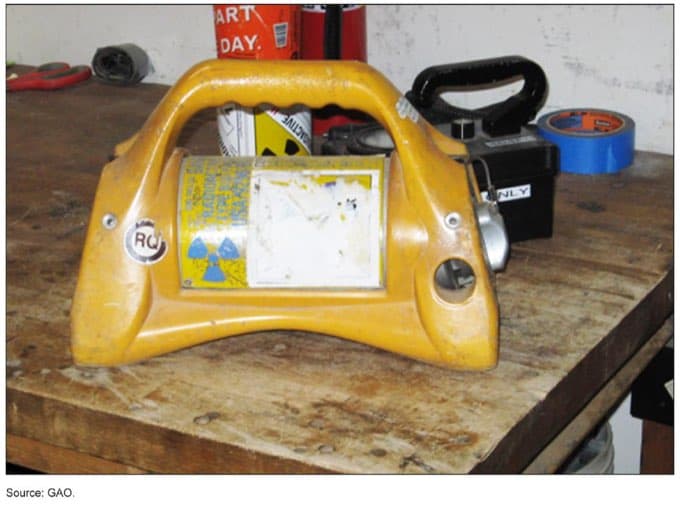
Hazard and emergency plan preparation is the process of establishing predefined, written and workable response procedures against foreseeable accident scenarios at facilities and sites that hold radioactive sources or devices generating ionising radiation. Radiological emergencies cover events such as loss or theft of a source, a source failing to retract into its shielded position, loss of source integrity as a result of fire or explosion, a transport accident or unexpected exposure. The common physical feature of these events is that the hazard is invisible and can only be detected with dose measuring instruments. Planning aims to manage this invisible risk within the framework of the ALARA principle (as low as reasonably achievable) and to limit exposure through the variables of dose, time and distance.
The technical basis of the plan starts with a facility-specific hazard assessment. The type of sources held (gamma sources such as Ir-192, Co-60 and Se-75, or X-ray devices), activity level (GBq/TBq), half-life, physical/chemical form and mode of use are inventoried. For each source, the dose rate that could occur at a given distance from an unshielded source is calculated; this calculation determines the radius of the hazard zones (the inner cordoned area and the extended safety area). For Ir-192, frequently used in industrial gamma radiography, tabulating the safe approach distance and the evacuation radius in advance — for example for a malfunction scenario in which the source does not return to its shielded position — enables rapid initial response at the moment of the event without first having to take measurements.
The implementation layer of the plan contains scenario-based response steps, a responsibility matrix and the communication chain. It defines the roles of the Radiation Protection Officer (RPO) and assigned personnel, the limits of authority of the first response team, the procedures for temporarily shielding or isolating the source, and the criteria for cordoning an area and deciding on evacuation. The equipment to be used during the response — calibrated dose rate meters (survey meters), area dosimeters, long-handled tools, temporary lead/steel shields and personal dosimeters — is listed; the location, calibration status and accessibility of this equipment are recorded in the plan. Notification thresholds and contact details for the relevant regulatory authority (the Nuclear Regulatory Authority, NDK) and, where required, for fire, medical and security services also belong to this layer.
Application-specific depth appears in the response logic, which differs according to the type of event. In a lost/stolen source scenario the focus is on search and recovery together with immediate notification of the authority; in a source-fails-to-retract scenario (radiography equipment malfunction) the focus is on withdrawing personnel, cordoning the area and shielding the source in a controlled manner. In a transport accident, assessment of package integrity and contamination control come to the fore. For each scenario, recovery and return-to-normal criteria are defined, as well as the medical referral and dosimeter reading procedure for personnel suspected of overexposure. The plan also includes a drill programme; the workability of the procedure on paper is tested under field conditions through periodic tabletop and practical drills.
In terms of reporting and acceptance criteria, the plan produced must be consistent with the licensing/authorisation file of the facility, must meet the minimum content required by the legislation (hazard assessment, response steps, responsibilities, communication, records) and must be subject to regular review. The plan is updated in line with changes in the source inventory, changes in facility layout or lessons learned from drills. The value of this service is that it turns the chaotic environment of a radiological event into a pre-structured, rehearsed process with clearly assigned ownership, thereby minimising personnel dose, environmental impact and legal risk; in a prepared facility, managing the first minutes correctly is what separates a contained event from a serious accident.
Method
The process starts with a facility-specific hazard assessment: the source inventory (isotope, activity, form, use), the facility layout and the foreseeable accident scenarios are established. Dose rate and hazard zone calculations are then performed for each scenario; these calculations determine the response thresholds, evacuation radii and safe approach distances (calibration/set-up stage). During implementation, the scenario-based response procedures, the responsibility matrix (RPO and team roles), the communication/notification chain and the required equipment list are put in writing. In the evaluation stage the plan is tested for field workability through tabletop and practical drills, and shortcomings are revised. Finally the plan is reported as a coherent document covering the hazard assessment, response steps, records and update schedule, and is tied to a periodic review plan.
Applications
- Industrial gamma/X-ray radiography facilities and field operations (Ir-192, Co-60, Se-75)
- Nuclear medicine, radiotherapy and brachytherapy units
- Industrial devices with radioactive sources (level/density meters, thickness gauges, well logging)
- Gamma irradiation (sterilisation) and research facilities
- Radioactive source storage and containment areas
- Radioactive material transport and logistics operations
- Radiation applications at petrochemical, energy and heavy industry sites
- Radiation screening systems at ports, customs and points of entry
Frequently asked questions
Related services
Standards & Regulatory Compliance Support
Consultancy on compliance with national radiation safety legislation and relevant standards.
View detailsRadiation Protection Training
Radiation protection and safety training for personnel working with radiation.
View detailsRadiation Protection Plan Preparation
Preparation of a regulation-compliant radiation protection plan covering the inventory of radiation sources, dose constraints and protective measures.
View detailsWorkplace Radiation Measurement Plan and Implementation
Establishment of a measurement plan for radiation levels in the workplace and execution of the corresponding field measurements.
View detailsGet a quote for your project
Receive a fast, GDPR/KVKK-compliant response for the inspection or certification service you need.